

The True Cost of Freight Delays: How Severe Weather Impacts Shippers, Carriers, and Communities
Freight Delays Aren’t Just About Money—They Impact Real People
Severe weather doesn’t just slow down freight—it disrupts entire communities, puts truck drivers in danger, and leaves shippers scrambling to keep supply chains intact. Last weekend’s deadly storms across Kansas, Texas, and the Midwest brought a stark reminder of how vulnerable freight operations are to extreme weather.
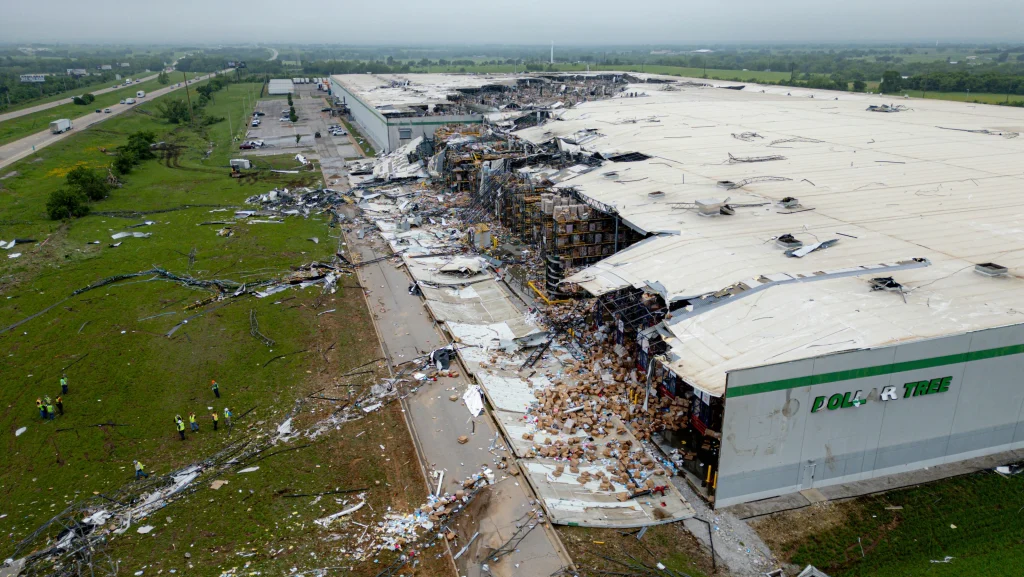
As tornadoes tore through Missouri and Mississippi, trucks flipped, warehouse roofs collapsed, and entire freight corridors shut down. The real cost of these delays? Not just higher freight rates or late deliveries—but lost livelihoods, destroyed goods, and in some cases, lost lives.
For shippers, freight brokers, and carriers, severe weather isn’t just an inconvenience—it’s a crisis that requires immediate action.
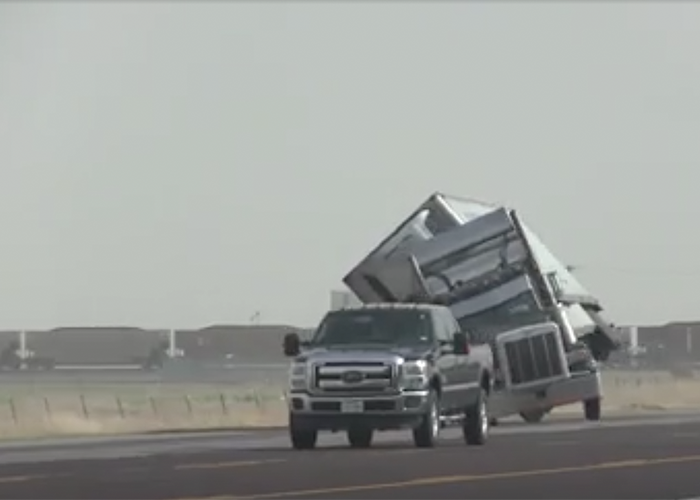
“We Were Stuck for 18 Hours”: Real Stories From the Road
🚛 “I Thought I Was Going to Flip” – A Truck Driver’s Nightmare on I-40
John, a veteran truck driver hauling medical supplies, was caught in 70 mph winds on I-40 in Oklahoma when his empty trailer began swaying violently.
“The wind just took over. I had no control. I had to pull over, and I saw trucks literally tipping over ahead of me.”
For drivers like John, the fear of being stranded—or worse, injured—is a reality they face every storm season.

🏭 “Our Factory Shut Down Because One Truck Didn’t Arrive” – The Ripple Effect on Shippers
A manufacturer in Kansas City had a critical shipment of automotive parts coming from Texas. When the storm hit, the truck got stuck in Amarillo, caught in a 50+ vehicle pileup caused by a zero-visibility dust storm.
“We lost two full days of production. We pay a fortune for just-in-time shipping, and when a load is late, we can’t operate.”
Shippers relying on just-in-time inventory often don’t have room for delays. When freight stalls, it doesn’t just cost money—it costs jobs.
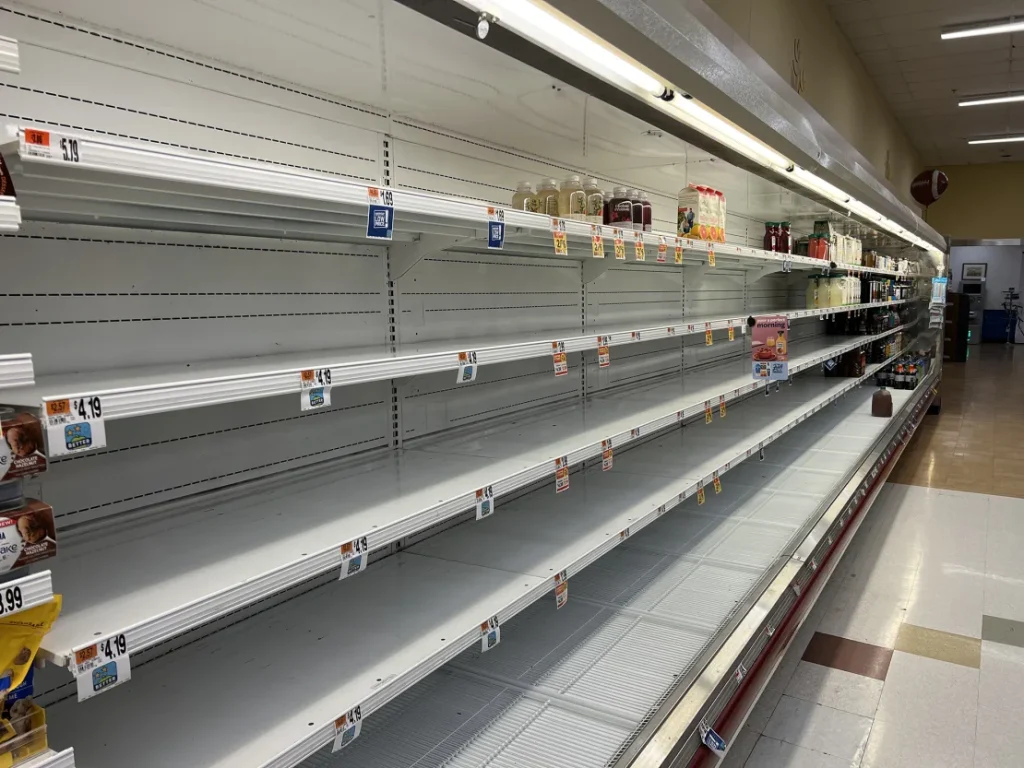
🛒 “The Store Shelves Were Empty” – The Impact on Communities
When Hurricane Ian hit Florida in 2022, grocery stores couldn’t restock shelves for weeks. The same thing happens every time major storms disrupt freight:
- Reefer trucks carrying fresh produce can’t deliver on time, leading to food shortages.
- Temperature-sensitive medicine gets delayed, affecting hospitals and pharmacies.
- Gasoline shortages happen when fuel shipments can’t get through.
For the average person, freight disruptions aren’t just numbers—they’re empty shelves and rising prices.
How Much Do Weather-Related Freight Delays Cost
Freight delays caused by tornadoes, blizzards, hurricanes, and wildfires come with a heavy financial toll:
📌 $75–$150 per hour in detention fees for delayed trucks.
📌 Up to $800 per day in layover charges when freight is stalled.
📌 Increased fuel costs when rerouting around closed highways.
📌 Lost revenue for shippers and manufacturers due to delayed supply chains.
📌 Spoiled goods and perishable waste when refrigerated trucks are held up.
🚨 In the February 2021 Texas winter storm, supply chain disruptions cost an estimated $155 billion across industries.
These costs aren’t just absorbed by companies—they get passed down to consumers in the form of higher prices and supply shortages.
What Can Shippers and Freight Brokers Do to Minimize the Impact?
While we can’t control the weather, shippers, brokers, and carriers can take steps to reduce the risks of weather-related freight disruptions.
🔍 Shippers: Build a More Resilient Supply Chain
✅ Work with multiple freight providers to increase flexibility.
✅ Use regional warehouses to store backup inventory closer to customers.
✅ Ensure contracts account for weather-related force majeure clauses to avoid penalties.
✅ Communicate with customers about potential delays before they happen.
📡 Brokers: Use Advanced Weather & Freight Visibility Tools
✅ Invest in real-time weather tracking tools like WeatherOptics or NOAA Storm Prediction Center.
✅ Offer alternative routing options for high-risk regions.
✅ Prioritize carrier relationships with trucking companies that have contingency plans in place.
🚚 Carriers: Improve Safety & Flexibility
✅ Enforce strict severe weather driving policies for drivers.
✅ Provide drop trailer programs to prevent disruptions.
✅ Make sure reefer units have backup power for temperature-sensitive freight.
When all three parties—shippers, brokers, and carriers—work together to plan ahead, the financial and human toll of freight delays can be minimized.
What’s Next for Freight Movement?
As of March 17, 2025, the storm’s impact is still unfolding, and industry experts predict more disruptions ahead:
⚠️ Tornado risks remain high in Mississippi, Alabama, and Georgia.
⚠️ Wildfires in Texas and Oklahoma continue to threaten supply chains.
⚠️ Snowstorms in the Midwest are keeping major highways closed.
For freight brokers, logistics managers, and shippers, staying ahead of these disruptions is critical to protecting both supply chains and livelihoods.
Need Help Managing Freight Disruptions? We’ve Got You Covered.
At Moll Solutions, we specialize in keeping freight moving—even in the toughest conditions. Whether you need real-time tracking, expedited shipping, or strategic contingency planning, our team is here to help.
📞 Contact us today to discuss how we can support your business through severe weather.