

What Shippers Get Wrong About Freight Quotes—And How to Get Pricing You Can Count On
Getting an accurate freight quote isn’t just about plugging in some numbers—and misunderstanding how quotes work can lead to costly surprises. Many shippers make the same mistakes when requesting freight quotes—here’s how to avoid them and protect your bottom line.
Common Misconceptions About Freight Quotes
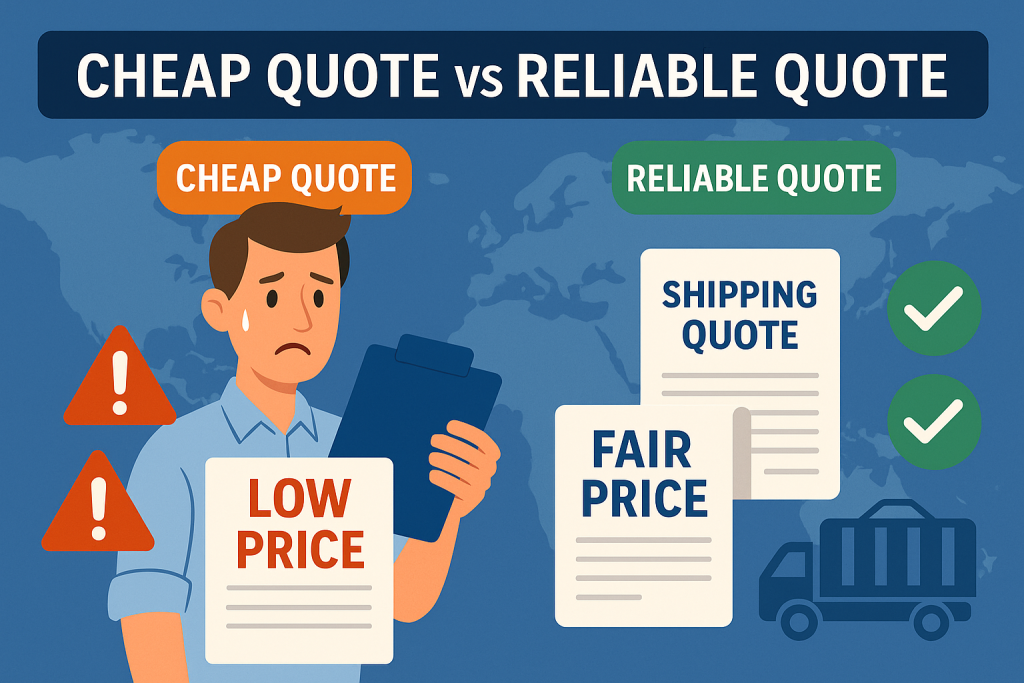
1. “The cheapest quote is the best option.”
Not always—lowball quotes often leave out crucial factors like detention fees, fuel surcharges, layover charges, or sacrificing quality carriers. Cheap rates can mean your freight gets stuck with unreliable drivers, late deliveries, or damaged product. Remember: you get what you pay for.
2. “Once I get a quote, the price is locked in.”
Freight markets fluctuate based on supply, demand, weather, fuel prices, and capacity. Delays in booking, last-minute shipment changes, or inaccurate shipment details can all affect your final price. A quote is only as stable as the information provided and how fast you act.
3. “All brokers use the same process.”
Not true. Every brokerage’s approach to quoting varies—it depends on their carrier relationships, technology, and experience. Some brokers rely on a wide, vetted carrier pool with real-time rate tools; others cut corners to underbid competitors. Learn how we vet carriers here.
How to Get Reliable Freight Quotes
If you want pricing you can trust, follow these steps:
1. Provide Accurate Shipment Details
Weight, dimensions, timing, special requirements—even small errors can change your final cost or delay your shipment.
2. Ask About the Broker’s Process
Transparency matters. Your broker should explain how they build quotes, how they choose carriers, and what’s included.
3. Prioritize Service, Not Just Price
Your freight’s success depends on reliability, communication, and experience—not just the cheapest rate.
4. Understand the Market
Stay informed on market conditions. Use resources like DAT Trendlines to track rate fluctuations, capacity issues, and trends.
5. Build Relationships with Your Broker
A broker who knows your business can anticipate your needs, offer better options, and help you navigate changing markets.
What Happens When You Get Freight Quotes Wrong
Cutting corners or misunderstanding your freight quote can cost you more than money:
- Delays in shipping timelines
- Increased risk of damaged freight
- Strained customer relationships
- Missed production deadlines
- Higher costs from last-minute changes
At Moll Solutions, I’ve seen how rushed quoting—or working with the wrong broker—can snowball into big problems. That’s why I’m upfront with customers. It’s not about being the cheapest—it’s about moving freight right the first time, with clear expectations and reliable carriers.

Why Reliable Freight Quotes Matter More Than Ever
In today’s supply chain environment, unpredictability is the norm. Capacity tightens, fuel prices jump, and geopolitical issues shake markets. Shippers who understand how to get accurate, reliable freight quotes stay ahead of these challenges—they avoid costly surprises, delays, and damaged relationships.
The Bottom Line:
Good freight quotes come from experience, transparency, and strong carrier networks—not guessing games or rock-bottom bids. At Moll Solutions, that’s exactly how I run my brokerage—one honest quote at a time.