
Retail Giants, Tariffs, and the Freight Squeeze: Navigating the 2025 Shipping Landscape
In 2025, the retail and freight sectors are being reshaped by shifting consumer behaviors and ongoing supply chain disruptions. We see Walmart expanding its regional distribution networks to reduce freight costs and avoid exposure to the new tariffs. Amazon is rerouting freight flows through inland hubs, strategically bypassing congested coastal ports to maintain delivery speed. Costco is leaning into intermodal freight, using rail to stabilize costs as truckload pricing becomes more volatile. These shifts aren’t happening in isolation — they’re rewriting freight demand patterns across North America, creating new pressure points (and new opportunities) for shippers that depend on reliable national distribution.
The Retail Titans’ Influence on Freight
Retail giants are not just dominating sales charts; they’re also setting the pace for freight demand. Their strategies in inventory management, distribution, and supply chain optimization are reshaping logistics norms.
- Walmart: With its expansive network, Walmart’s logistics decisions impact freight volumes nationwide.
- Amazon: Amazon’s emphasis on rapid delivery has led to innovations in last-mile logistics and increased demand for regional carriers.
- Costco: Costco’s bulk purchasing model affects freight by necessitating efficient handling of large-volume shipments.
These retailers’ approaches to logistics are setting new standards, compelling other businesses to adapt to remain competitive. *
🌎 Tariffs Are Forcing Freight to Play Defense
Tariffs aren’t just a political talking point anymore — they’re actively reshaping how freight flows into and across the U.S.
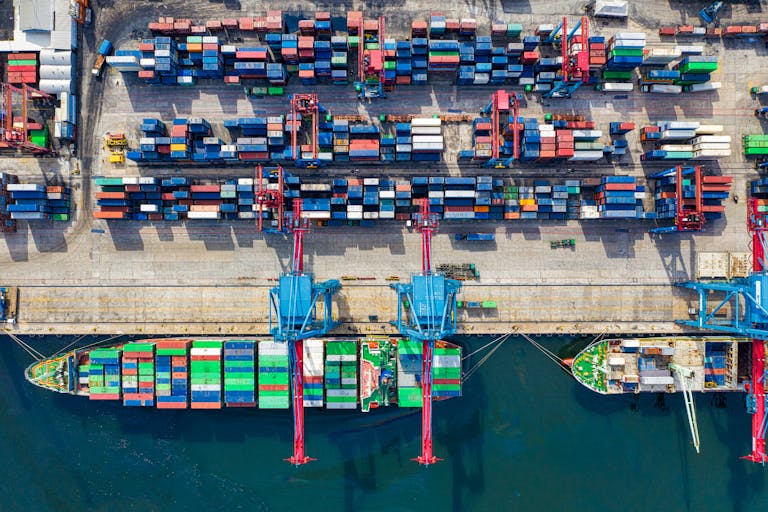
The U.S.–China trade tensions that once felt distant are now landing squarely on supply chains. The Port of Los Angeles reported a 35% drop in Chinese imports compared to pre-tariff levels, a stunning shift that has left many ocean carriers and intermodal networks scrambling to recalibrate.
Retailers that once depended on predictable inbound freight from China have had to rethink their sourcing strategies entirely. According to FreightWaves, a significant volume of sourcing is now moving to Southeast Asia, including Vietnam, Malaysia, and India — a trend that’s forcing freight companies to adjust service networks and timelines.
But shifting sourcing doesn’t happen overnight. As companies diversify suppliers, freight demand becomes less centralized, port volumes are less predictable, and transit timelines stretch. For shippers, it means lead times are longer, lane rates are more volatile, and reliable capacity is harder to guarantee.
The tariffs may be framed as an economic strategy — but at ground level, they’re a freight strategy problem..
Adapting to the New Freight Reality
To navigate the evolving freight landscape, businesses should consider the following strategies:
- Diversify Supply Chains: Reducing reliance on a single region can mitigate risks associated with geopolitical tensions.
- Invest in Technology: Implementing advanced logistics software can enhance visibility and efficiency in freight operations.
- Collaborate with Reliable Partners: Building relationships with dependable carriers and logistics providers ensures stability amid market fluctuations.*
By proactively adjusting to these changes, businesses can maintain resilience and continue to meet customer demands effectively.
Freight patterns are changing. The ones who adapt early will control the lanes — and the costs.
If you want a freight partner who moves as fast as the market does, let’s talk.